
The Construction Abbreviation Glossary
Learning a new language is tough. Making decisions on site is hard and clients are often expected to make major decisions while simultaneously decoding an alphabet soup of industry jargon.
This is one reason I strongly encourage clients to work with contractors who have a dedicated project manager. A good PM acts as a translator between the construction team and the client, helping communicate timelines, costs, responsibilities, and issues in plain English.
When that communication layer is missing, confusion increases quickly — especially during moments involving money, delays, or unexpected field conditions.
After 23 years in architecture and interiors, I don’t expect clients to know construction terminology. But I do believe informed clients make better decisions and have less stressful project experiences. So here are a few terms you’re almost guaranteed to hear during your project:
OFCI
Owner Furnished, Contractor Installed
This means the owner purchases an item, but the contractor is responsible for installing it.
Examples:
Decorative lighting
Specialty plumbing fixtures
Appliances
Mirrors
This distinction matters because responsibility is split between procurement and installation. Timing and coordination become critical.
VIF
Verify In Field
Translation: “Do not trust the drawing alone.”
This note instructs the contractor to physically confirm dimensions or existing conditions on site before proceeding. Existing buildings are rarely perfectly accurate, especially in renovations.
ROM or WAG
Rough Order of Magnitude or the less formal Wild Ass Guess
This is an early budget estimate intended to establish general pricing expectations before detailed pricing exists.
It is not a final number.
It is a directional number.
Clients often mistake preliminary estimates for hard construction costs, which can create frustration later when drawings become more detailed and pricing becomes more accurate.
VE
Value Engineering
This is the process of modifying selections, systems, or scope to reduce project cost.
Sometimes VE is smart and strategic.
Sometimes it compromises the original design intent.
The key is understanding what provides genuine value versus what simply reduces upfront cost.
AFF
Above Finished Floor
This dimension references the height of an item from the completed finished floor surface.
Example:
“Pendant centered at 84" AFF”
You’ll see this constantly on architectural and interior design drawings.
OAE
Or Approved Equal
This follows the name of a very specific product, and signifies that we’re open to suggested alternatives from contractors. The operative word here is “approved” meaning, final say goes to the owner and design team.
Example:
Windows: Marvin Elevate or approved equal
Used smartly, this can open options up when specific performance is needed but the brand is not overly important.
T&G
Tongue & Groove
Interlocking connection between two boards in the same plane that allows for strength and ability of wood to expand and contract.
Example:
“Beaded T&G Porch Ceiling Plank, Typical”
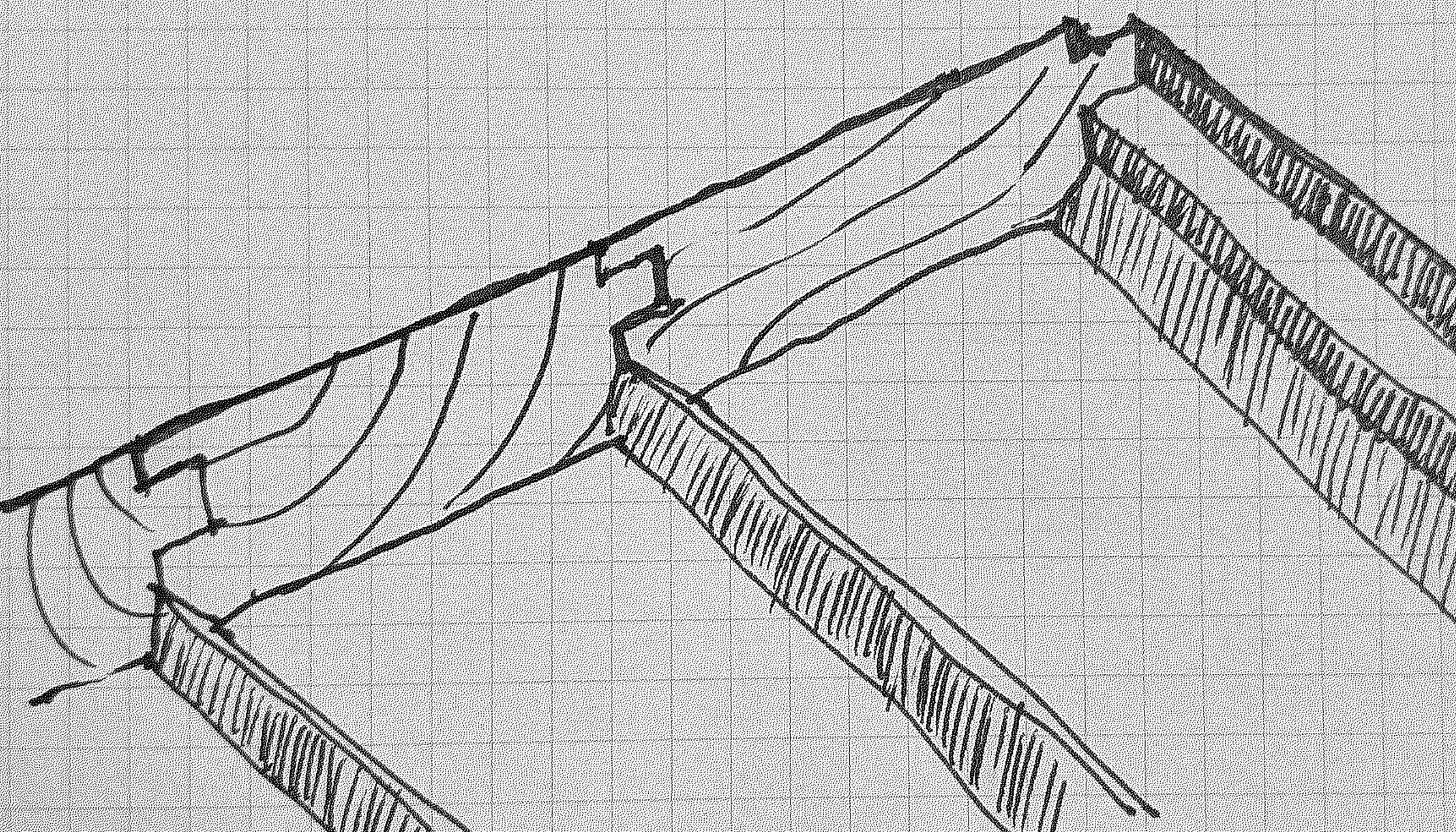
This joining technique can be used for trim carpentry, as well as for structural elements like plywood.
A successful construction project is not just about good design or good contractors. It’s about communication, expectation management, and having professionals who can help clients navigate the process with clarity.
Most clients are not expected to know construction language.
But they should absolutely have a team capable of translating it.